
Summary
Long-distance caregiving for aging parents requires coordination, trusted local support, and smart tools to manage care effectively from miles away. A senior living community can provide professional oversight and regular family updates that ease the burden of out-of-state care.
- Build a local support network of neighbors, friends, and geriatric care managers who can check in and coordinate services between your visits.
- Use video calls, medication reminders, in-home sensors, and emergency response devices to stay connected and monitor your parent's daily life and health.
- Create a centralized file with medication lists, physician contacts, insurance information, and advance directives to streamline communication across state lines.
- Establish legal documents like durable power of attorney and living wills early so you can make decisions and honor your parent's wishes remotely.
- Consider whether a senior living community near family offers the professional support and closer connection that works best for your situation.
Long-distance caregiving for aging parents is a balancing act. You’re answering work emails, driving the kids to practice, and wondering whether Mom took her morning medication, all from hundreds of miles away. Caring for a parent from far away is hard, but a reliable support network and a few good tools can turn that worry into a workable plan.
A senior living community can add real peace of mind to that plan. A trained care team, coordinated services, and regular updates keep families connected when the miles get in the way.
Building Your Long-Distance Care Team
Out-of-state senior care solutions start with local support. Ask trusted neighbors, friends, and relatives to be your eyes and ears. They can check in between visits or step in during an emergency.
Professionals fill the gaps. Geriatric care managers assess needs, coordinate services, and send updates to family members who live out of state. Local home health agencies can help with medication management and personal care. Assisted living communities also build relationships with care professionals who understand a parent’s changing needs, so you have partners when you can’t be there in person.
Technology for Distance Caregiving
Video calls show you more than a phone call can. You can see your parent’s surroundings, notice changes in mood or appearance, and share an ordinary Sunday afternoon despite the distance.
Other tools help, too. Medication reminder systems support treatment schedules, in-home sensors can note daily routines and movement, and emergency response devices bring quick help when it’s needed. Some senior living communities also share updates with families about programs, meals, and wellness checks.
Technology works best alongside regular visits and a local network that can lend a hand in person.
Coordinating Health Services Across State Lines
Managing parent care remotely takes organization and steady communication. Start with one central file that you share with your local team and update as treatments change. Include:
- Complete medication lists with dosages and schedules
- Physician and specialist contacts
- Insurance details and policy numbers
- Advance directives and healthcare preferences
Get to know your parent’s providers, even from afar. Many physicians welcome family members joining appointments by video, and you can ask for permission to receive medical updates directly. Name a local contact who can attend visits when you can’t travel.
A senior living community can simplify this further with scheduled transportation and timely updates to families when health needs change.
Financial and Legal Preparation
Distance makes money matters harder to watch, so prepare early. These documents let you act on your parent’s behalf and keep their wishes at the center of every decision:
- Durable power of attorney for healthcare and finances
- Living wills and advance healthcare directives
- Updated beneficiary designations on accounts and policies
Online banking and bill pay help you watch accounts and catch missed payments or signs of financial exploitation. A local financial advisor or elder law attorney can add on-the-ground help.
Many families also find budgeting easier in a community that includes chef-prepared meals, weekly housekeeping, and scheduled transportation, since fewer expenses show up as separate bills.
When Moving a Parent Closer to Family Makes Sense
Some families eventually consider moving a parent closer to family as needs grow. The decision means weighing your parent’s ties to their hometown against the comfort of having relatives nearby. For many, a senior living community near you is a middle path: professional support for your parent, and for you, a shift from managing things by phone to sharing visits, meals, and family events.
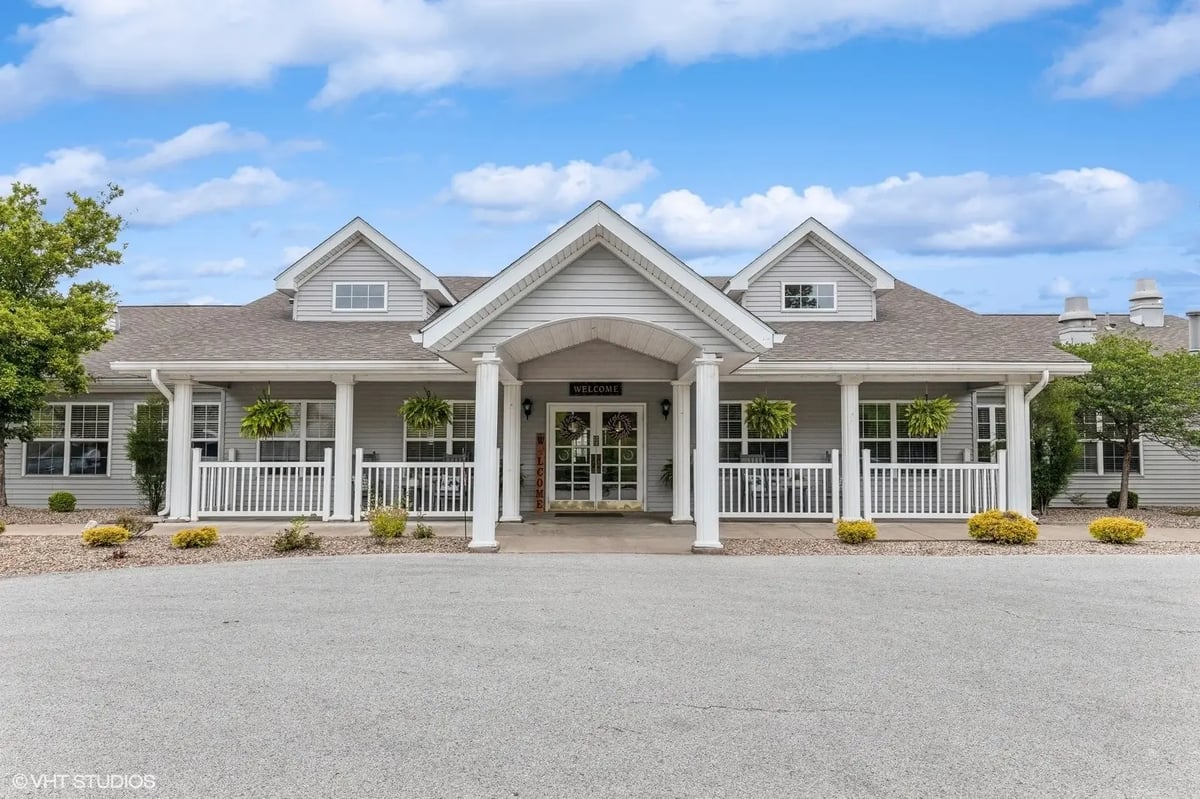
Cardinal Place in Cambridge, OH, welcomes families looking for that balance. Assisted Living at Cardinal Place offers personalized support in a home-like setting, with chef-prepared meals, a courtyard and gardens, and a full-time activities director. Day-to-day help is handled, and Historic Downtown Cambridge is close for a lunch out together, so you can focus on simply being family.
Staying Close, Even from Afar
Distance doesn’t have to mean disconnection. With the right people, tools, and plan in place, you can stay close to a parent even when you can’t be next door. When you’re ready to see it in person, schedule a tour today and meet the neighbors and team at Cardinal Place.