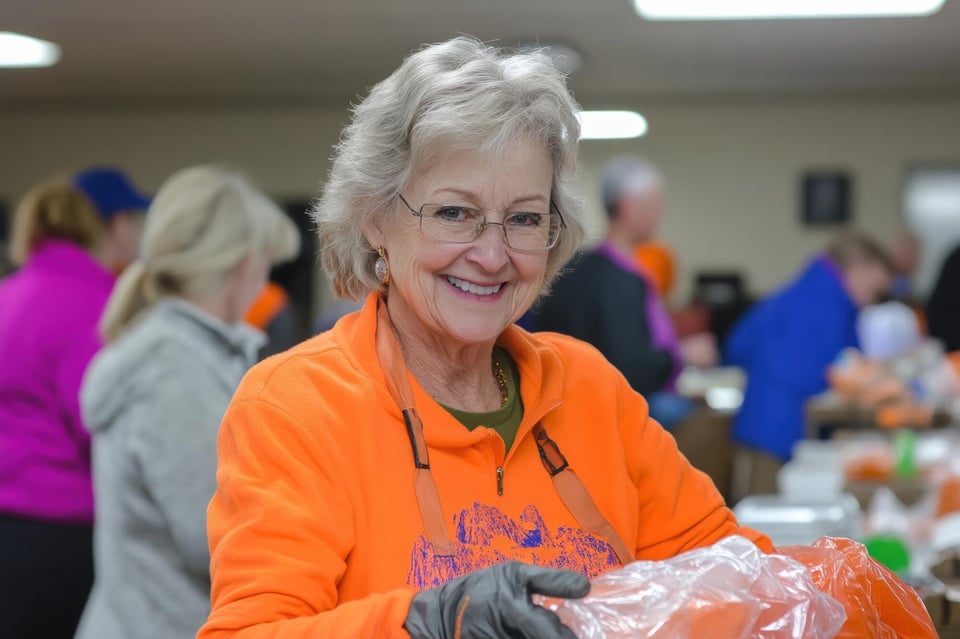
Yes, many older adults can volunteer at hospital locations after retirement, and these roles often bring purpose, structure, and social connection. In Cambridge, Ohio, where community involvement remains strong, hospital volunteering can help retirees stay engaged while contributing in meaningful ways that fit their pace and interests.
While volunteering in general is still recovering from a pandemic-era slump, the stats show the seniors remain by far the most likely age group to donate their spare time to worthy causes, according to a report in Civil Society.
Retirement opens space for service that feels intentional rather than demanding. For seniors considering assisted living, volunteering can also complement a lifestyle that balances support with independence.
What Types Of Hospital Volunteer Roles Suit Retirees?
Hospitals offer a wide range of non-clinical roles that match different comfort levels and schedules. Many volunteer positions focus on interaction, organization, or support rather than physical demands. These may include greeting visitors, delivering mail, assisting at information desks, or helping with clerical tasks.
In Cambridge, Ohio, hospital volunteer roles, seniors often appreciate positions that allow seated work or predictable routines. These roles support healthcare volunteer seniors who want to contribute without feeling rushed or overwhelmed.
Volunteering works best when the role feels aligned with personal strengths and energy levels.
Can You Volunteer At Hospital With A Flexible Schedule?
Many retirees prefer commitments that respect personal rhythms. Hospitals often offer flexible shifts that fit well into retirement routines. Volunteers may choose one or two days per week or shorter time blocks.
This flexibility makes hospital service appealing as part of broader retirement service options that Ohio seniors explore. It also allows older adults to maintain hobbies, family time, and rest while still giving back.
A consistent but manageable schedule often leads to long-term satisfaction.
How Does Hospital Volunteering Support Purpose After Retirement?
Purpose matters at every stage of life. Volunteering can restore a sense of contribution that many retirees miss after leaving the workforce. Hospital settings offer a clear impact, even in quiet ways.
Many seniors find meaningful roles after retirement through service that connects them to others and enables lifelong learning. Simple interactions, like offering directions or a friendly greeting, can lift both the volunteer and the visitor.
This sense of usefulness often improves mood and motivation.
What Should Seniors Consider Before Volunteering?
Preparation helps ensure a positive experience. Seniors should assess energy levels, mobility needs, and comfort with busy environments before committing. Some roles involve walking short distances, while others remain stationary.
It also helps to understand orientation requirements and background checks. These steps support safety and clarity for everyone involved.
Thoughtful planning leads to a smoother start and better long-term fit.
How Assisted Living Supports Volunteer Lifestyles
Assisted living can make volunteering easier to maintain. When daily needs feel supported, seniors often have more energy for community involvement. Predictable meals, housekeeping support, and social routines reduce stress.
Residents can plan volunteer days with confidence, knowing their home environment remains stable. This balance supports the senior volunteer opportunities Guernsey County residents value.
Living in assisted living does not limit contribution. It often enhances it.
Is Hospital Volunteering Right For Every Senior?
Volunteering should feel rewarding, not draining. Some seniors may prefer other service options if hospital settings feel too stimulating.Alternatives include community centers, libraries, or mentoring programs.
The goal remains engagement, not obligation. Seniors benefit most when service aligns with comfort and interest.
Trying short commitments first can help clarify preferences.
How Community Life Encourages Ongoing Engagement
Community living often reinforces active lifestyles. Shared conversations and encouragement can motivate seniors to pursue service opportunities. Seeing peers volunteer often inspires others to explore similar paths.
At an assisted living community, staff and neighbors may help brainstorm ways to stay involved locally. This shared support nurtures confidence and follow-through.
How Volunteering Can Ease The Transition Into Assisted Living
Adjusting to assisted living can feel emotional at first. Continuing familiar routines like volunteering often helps seniors maintain confidence and emotional balance during this transition. When residents keep an outward-facing role, daily life feels purposeful rather than limited.
For many older adults, volunteering provides continuity between independent living and assisted living. It reinforces identity, social contribution, and personal agency. Residents often find that maintaining outside commitments supports mental clarity and motivation while enjoying the added reassurance of on-site support with daily needs.
This balance allows assisted living to feel like a foundation rather than a boundary.
Frequently Asked Questions
Do Hospital Volunteer Roles Require Medical Training?
No. Most roles for retirees involve non-clinical tasks like greeting, organizing, or assisting staff with simple duties.
Are There Age Limits For Hospital Volunteers?
Age requirements vary by hospital, but many welcome older adults who can meet role expectations.
How Many Hours Do Volunteers Usually Commit?
Many volunteers serve a few hours per week. Hospitals often allow flexible schedules.
Can Assisted Living Residents Volunteer Off-Site?
Yes. Many residents remain active in the community through volunteer work that fits their routine.
What If A Senior Needs To Stop Volunteering Later?
Hospitals understand that needs change. Volunteers can usually step back without pressure.
Are Hospital Volunteer Roles Social Or Independent?
Many roles offer a mix of both. Some involve greeting visitors and working with staff, while others focus on quiet, independent tasks that still support hospital operations.
Can Volunteering Improve Emotional Well-Being In Retirement?
Yes. Regular service often supports emotional health by reducing isolation, encouraging routine, and reinforcing a sense of usefulness and connection to the wider community.
Find Balance And Purpose At Cardinal Place In Cambridge
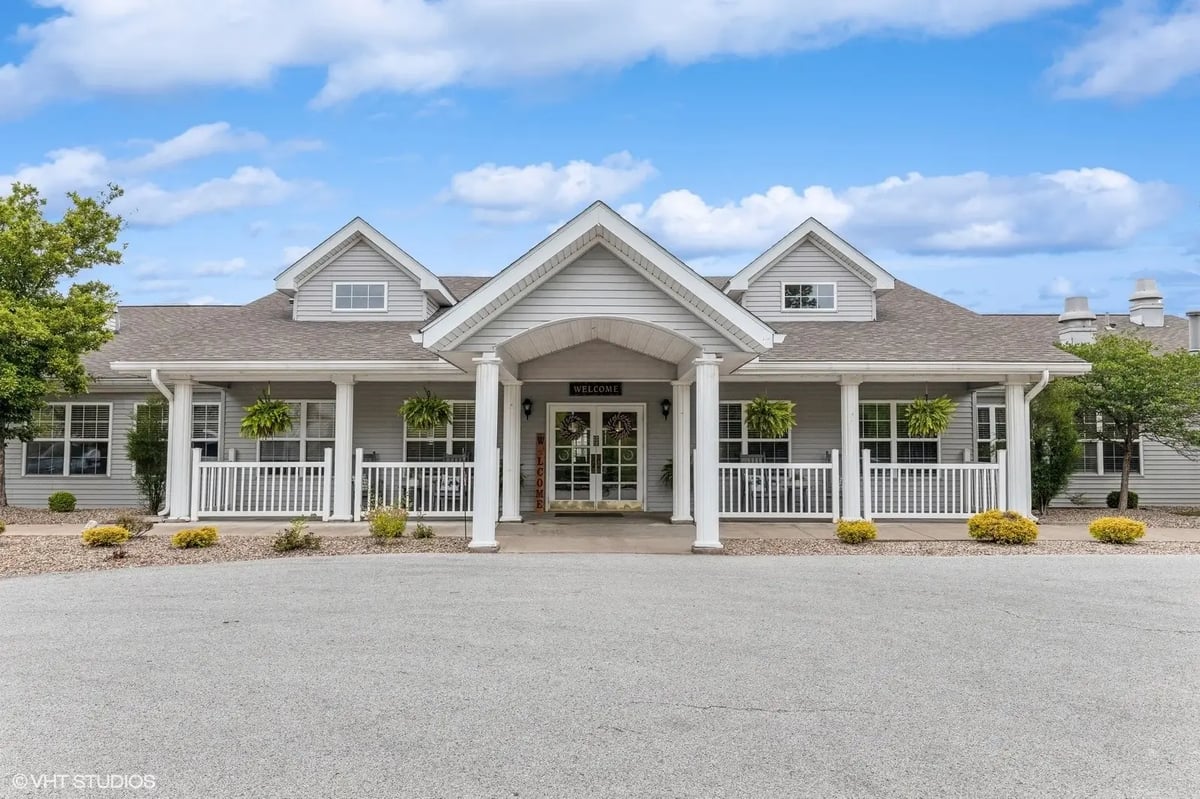
Staying connected to the community brings fulfillment at every stage of retirement. At Cardinal Place Assisted Living, residents enjoy assisted living that supports both independence and engagement. Personalized care plans, chef-prepared meals, and a lively activity calendar help residents maintain energy for pursuits beyond the community.
With on-site amenities like a beauty salon, gardening spaces, and social gatherings, daily life feels structured yet flexible. This supportive environment allows residents to explore opportunities to volunteer at hospital spaces while knowing their daily needs remain covered.
If you or a loved one wants a lifestyle that supports purpose, routine, and connection, schedule a free tour of Cardinal Place and discover how assisted living can support meaningful living in Cambridge.